By: The Grit Staff
Chasing wild birds exposes us to every sort of weather and terrain. Be it post-blizzard cattails or gumbo badlands in the rain, these conditions often demand ridiculous levels of performance from our footwear. In our opinion, mountaineers and big-game hunters don’t have anything on upland junkies when it comes to fording hell and high water.
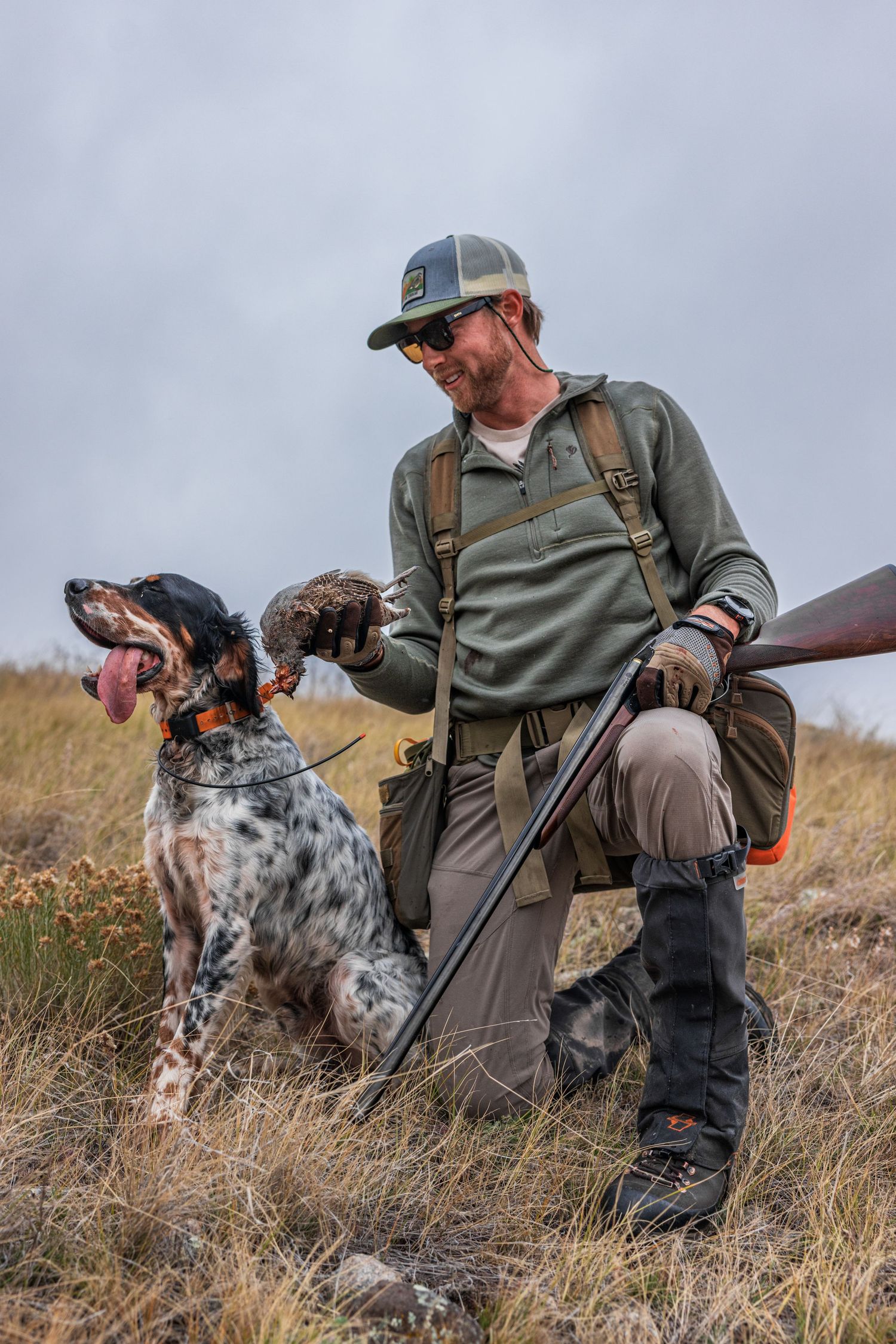
Growing up with a Midwest background, the word gaiter meant nothing to me. Hunting pheasant and quail in waste-grain fields and CRP, we wore heavy chaps—or chaps built right into our jeans. But after more than a decade out West, gaiters became one of the first pieces of gear I reached for, whether it’s upland miles, elk country, or straight-up winter hiking.
You’ll hear a thousand opinions on the “best” gaiters. Truth is, there are many solid options—and a few that simply don’t make the cut. When I evaluate gaiters, the first thing I do is listen to other users—just like you’re doing right now. I want a durable fabric that’s breathable and waterproof, something that can handle frosty dawn-walks through brittle grass. Next, I look for a stout under-boot strap that can take constant abuse from sharp rocks and rugged country. And finally, reliable adjustments on both the top and bottom, ideally with a tacky interior strip that locks the gaiter on your calf without sliding down.
At first glance, gaiters might seem like another unnecessary doodad, but the Grit staff has long appreciated them as more than just a fashion accessory. They shield our legs from sagebrush and cholla, keep maddening cheatgrass out of our socks, and let us cross snowdrifts or shallow creeks without filling our boots.
Over the years, we’ve tested gaiters from most leading manufacturers. Some are too stiff, hot, and sweaty. Others slip or unfasten. Some simply wear out too fast for what they cost.
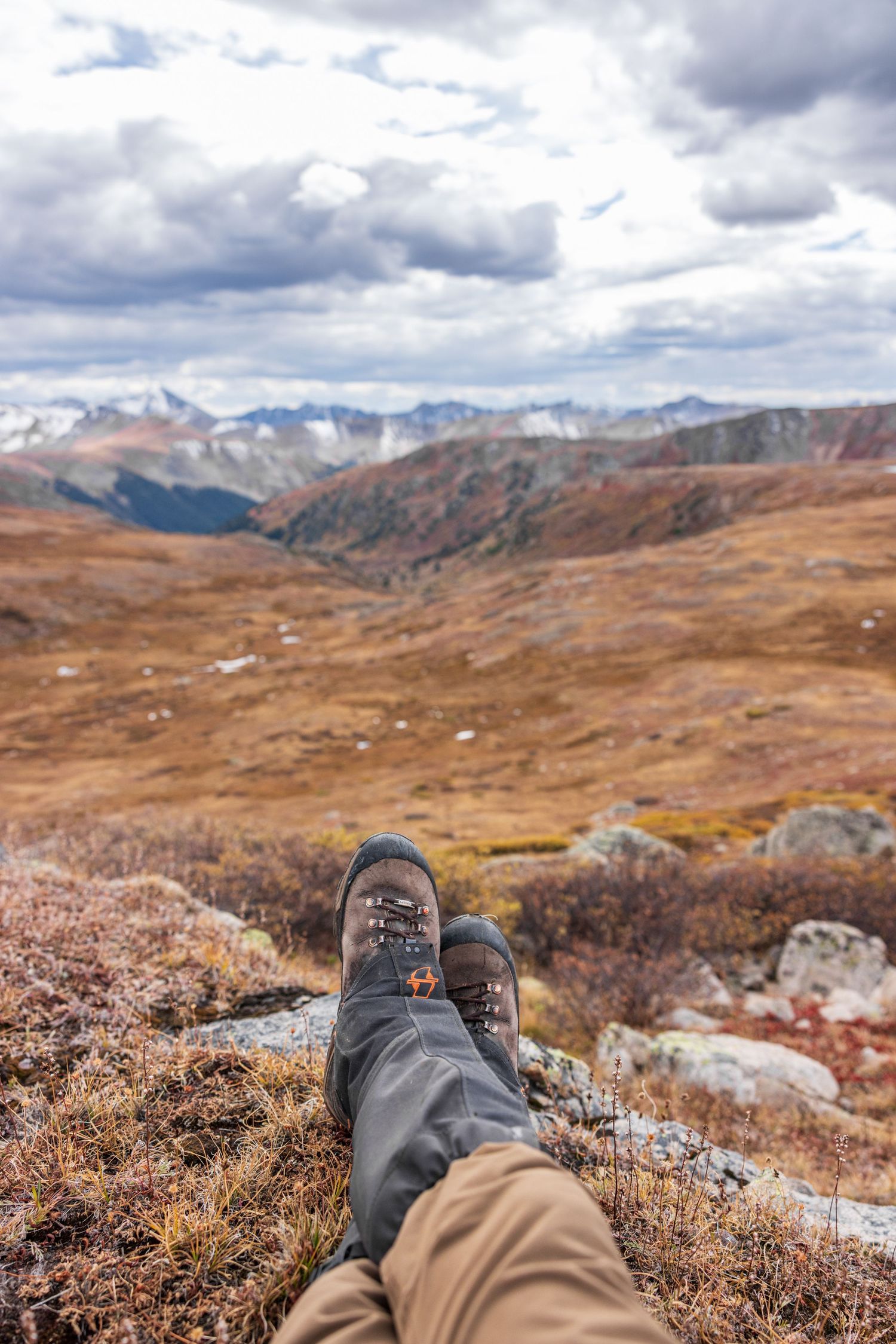
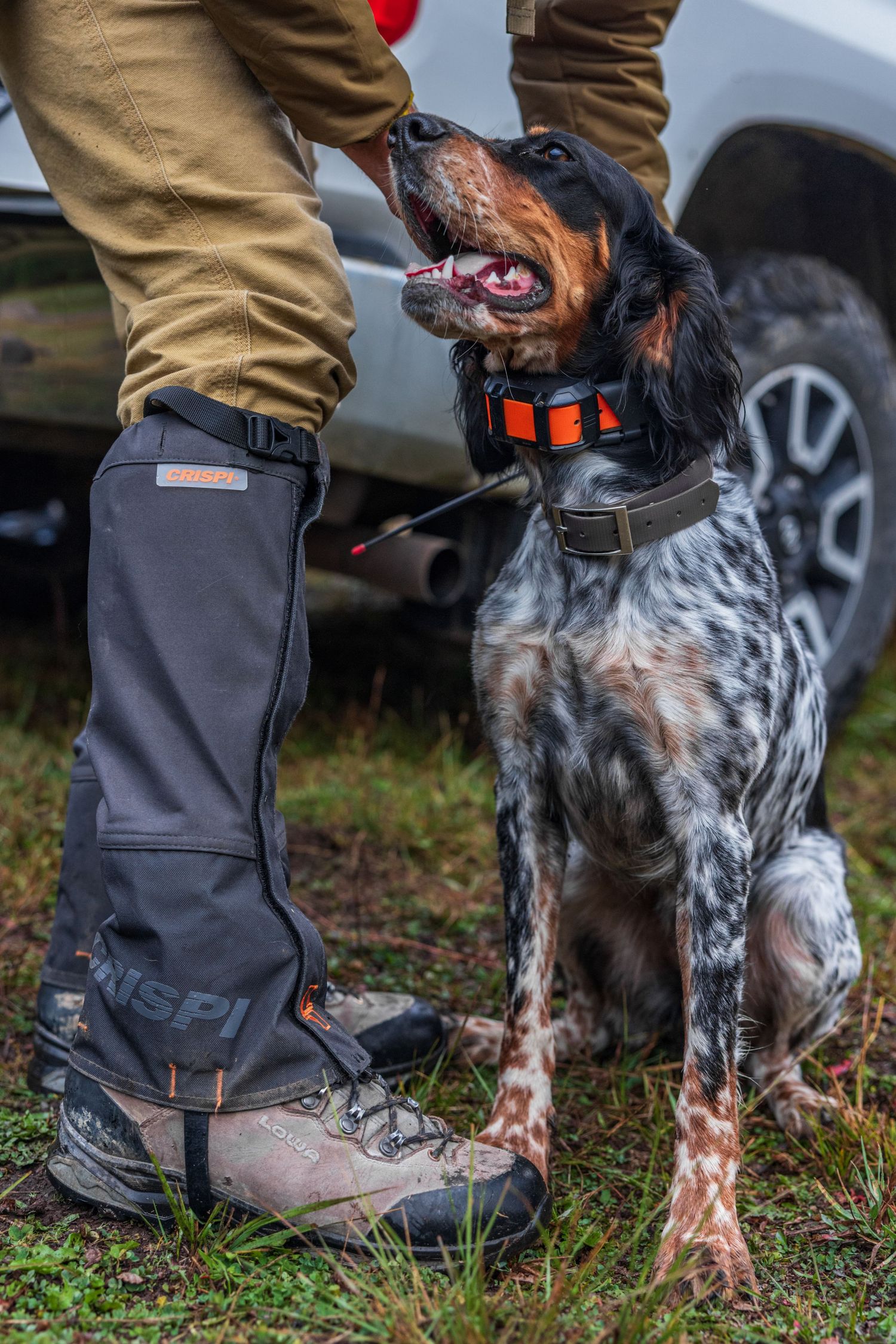
Crispi boots have rapidly gained a cult following among hunters, so we were excited when they released their own gaiters to pair with the legendary footwear. This season, Crispi is offering two models: the short-and-light Corto, and the calf-high Alto. We put the Alto through its paces on early-season prairie hunts and high-elevation forays after ptarmigan and blue grouse.
Right away, we loved the Alto’s fabric—just enough rigidity to push through willows and plum brush, but not overly thick or stiff. The 600-denier nylon breathes better than most, yet the DWR still keeps moisture at bay. Our crew stomped through snowdrifts and crossed creeks without complaint.
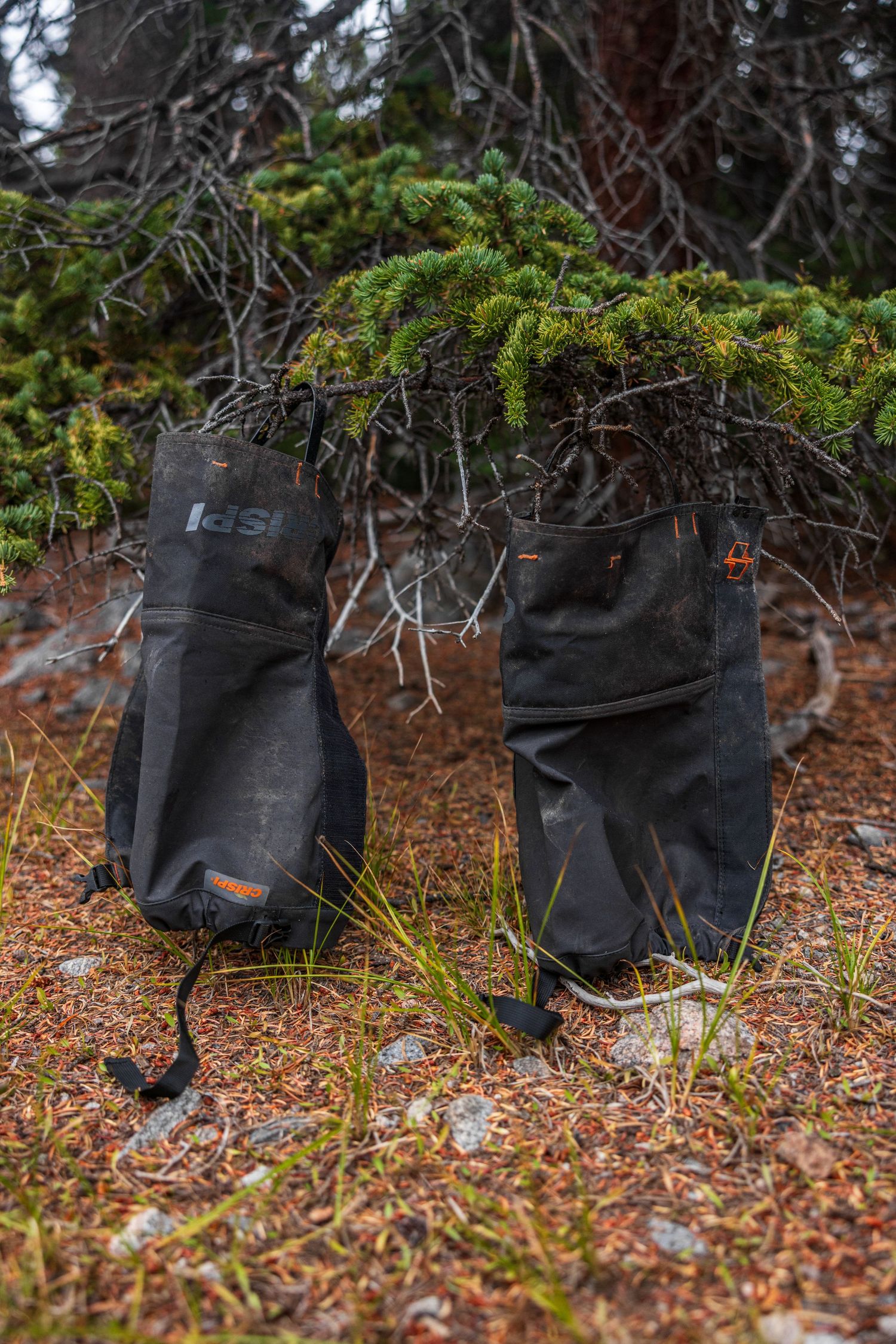
Like most gaiters, the Altos rely on three contact points. The top edge bites the calf securely thanks to a tacky interior strip. While we prefer a cam-lock closure to a buckle, the elastic top strap never loosened on us.
The front lace clip—often a failure point on other brands—held up without bending or cracking. And our favorite feature sits underfoot: the arch strap. Many gaiters die when this strap finally frays and fails on sharp rock, but Crispi made theirs fully replaceable, which effectively doubles or triples the usable lifespan. You can also remove the strap entirely when using boots with little to no arch gap.
What’s wrong with them? Not much. Bulky winter boots might fight the Alto’s volume, but standard leather or synthetic hunting boots—insulated or not—pair beautifully. Our only real gripe: they’re black. We don’t need full camo for upland or big game, but a natural field tone like tan or olive would be welcome.
When it comes to gear, less is often more. With the Altos, more means less: less tip-toeing around puddles, less pulling cheatgrass from your socks, and less re-tying laces mid-hunt. Slip them on at the tailgate, seal the Velcro, and walk into your day with confidence. The Grit staff has run these gaiters hard in sagebrush steppe and wet elk timber—and they stand up.
For those who once thought gaiters unnecessary, the West has a funny way of changing minds.
* The Grit was provided with testing samples but was not otherwise compensated for this review