By Andrew Baisley
Field trials began in the mid-1800s in Britain, when enthusiasts of setters and pointers gathered to measure their dogs under conditions that mirrored the hunt. The first recorded event was in 1865 at Bala, Wales, and before long the idea had spread to Ireland, Scotland, and across the Atlantic.
The purpose then was simple but profound- to evaluate dogs as hunters. Trials gave the public a way to see bloodlines tested, to preserve stamina and nose, to refine style and composure on game. Those origins matter. Field trials were born not for ribbons or spectacle but for the practical needs of the gun: a dog with the mind to hunt, find, and handle birds.
Today, trials have evolved. There’s more emphasis on the horizon-filling run, the artistry of a dog flowing across the prairie with fire in its stride. It is beautiful—sometimes breathtaking. But in the shift, we risk tilting too far toward animation and away from the essence: the hunting mind at work.
Layer on the world of social media and it becomes harder still. Breeders trumpet their own stock, clips are cut for flash rather than substance, and hunters searching for a future dog partner are left sorting through bias and noise.
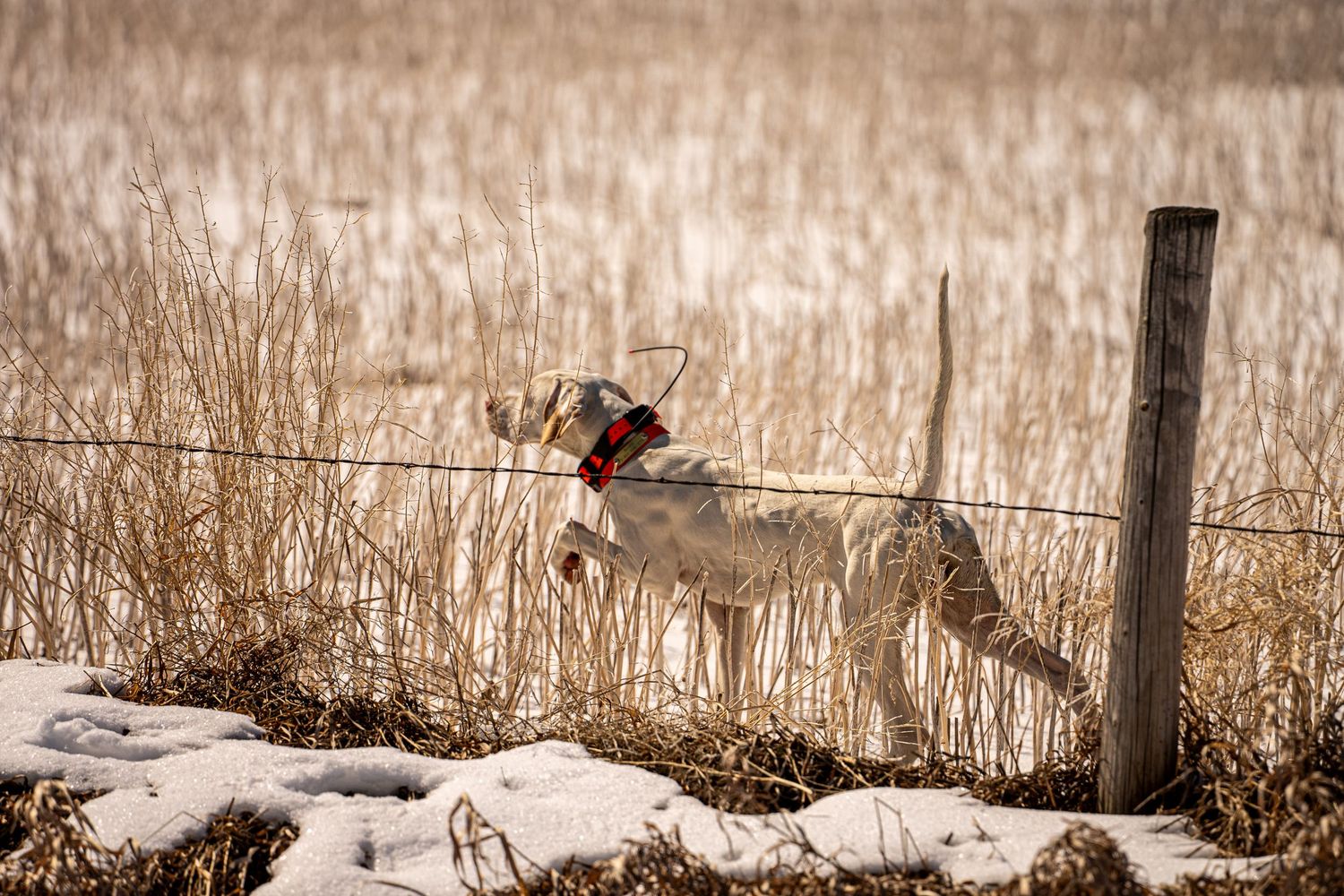
That is why, for me, the truest way forward is to stand in the country and watch the dogs work—where the mind reveals itself in the open. Every trial has luck-of-the-draw moments. A dog may draw a poor course, hit a dry stretch, or bump into misfortune. But consistency is no accident. When you see a dog who finds game, handles the country, and hunts with intent brace after brace—that tells you more than any pedigree ad or highlight reel ever could.
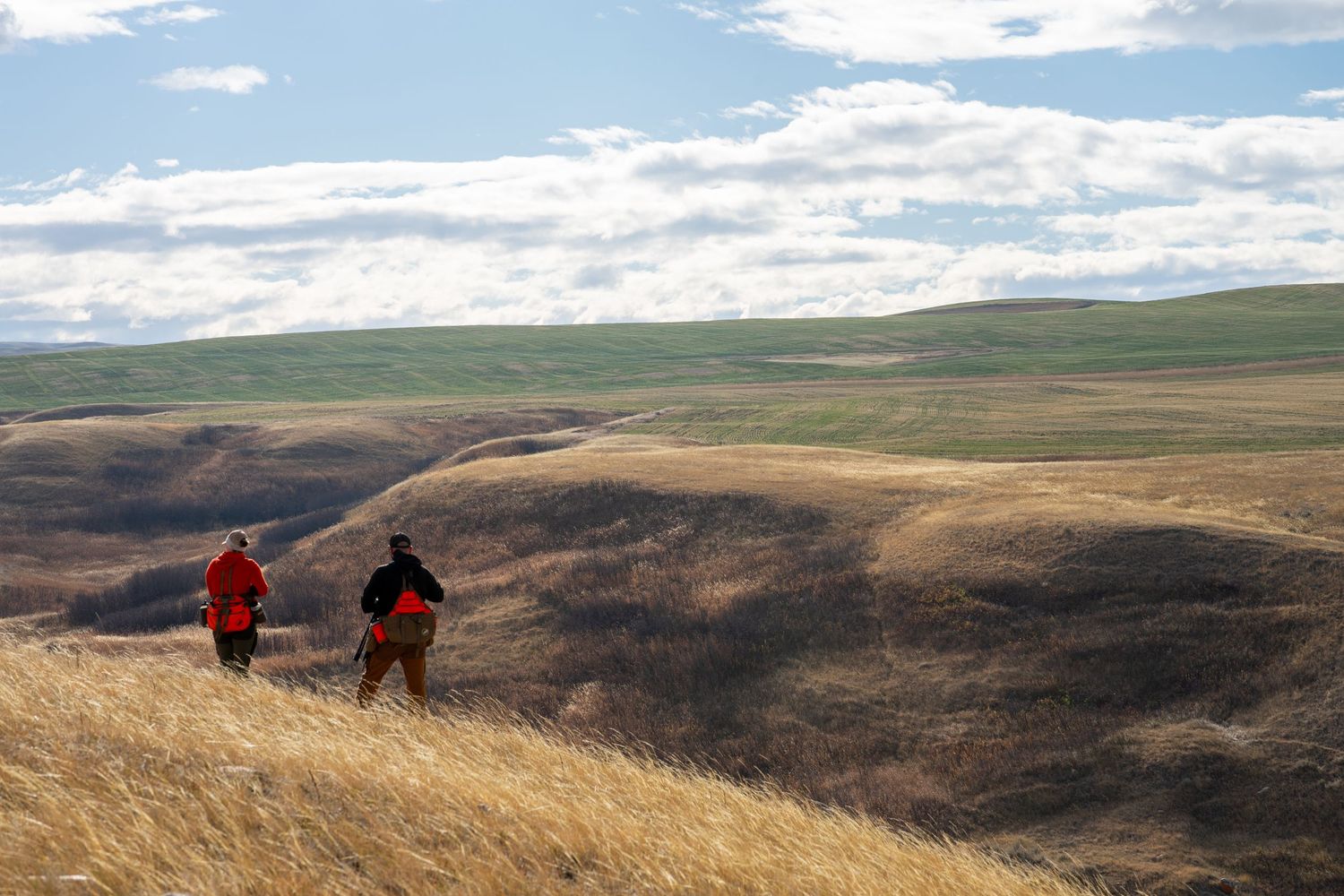
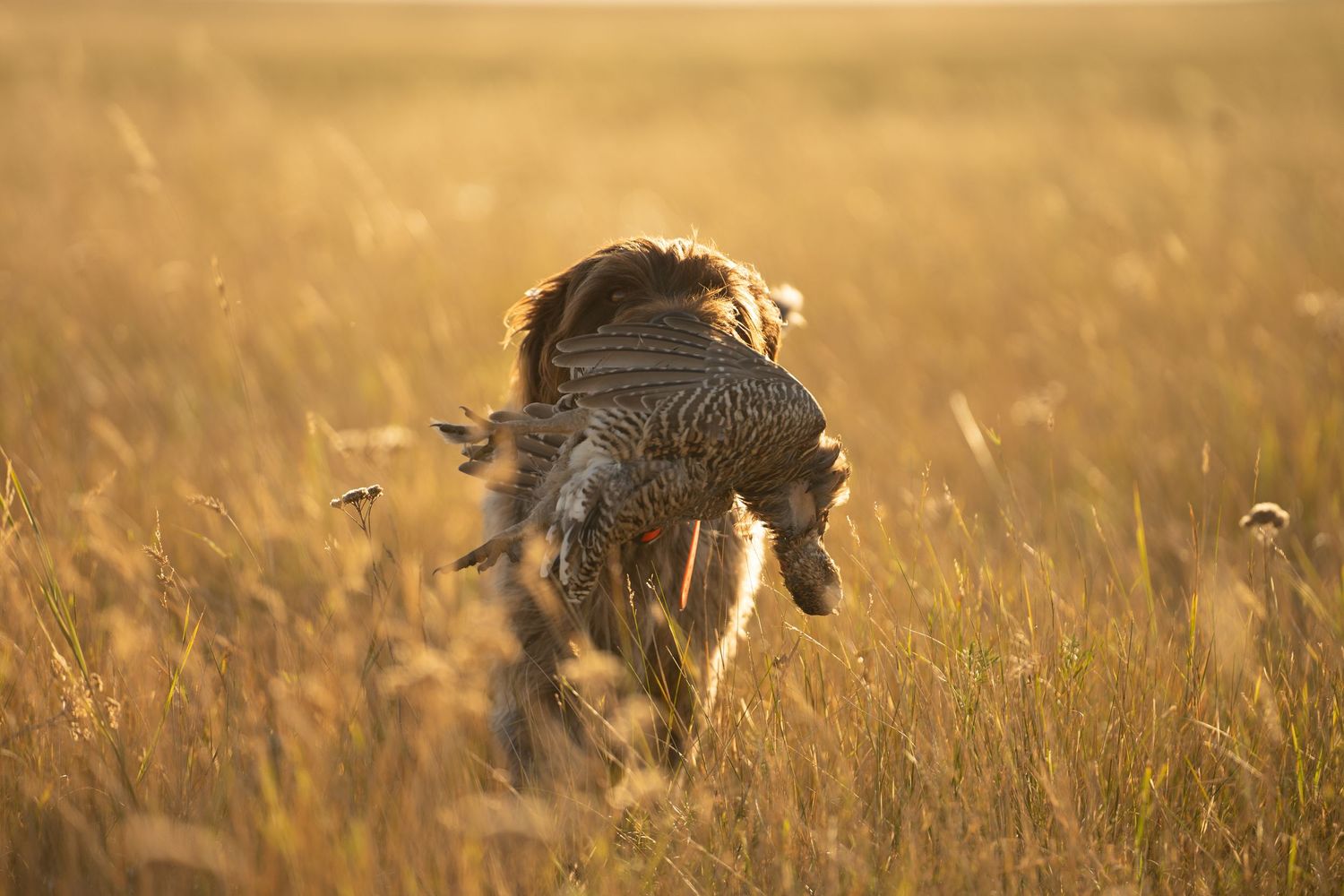
For hunters, the wild bird prairie trials offer the clearest lens. They reflect the kind of hunting many of us aspire to: long days in big country, dogs using their minds and noses to make game stand. A dog that runs big but never finds a bird, no matter how animated, feels incomplete. A dog that thinks, adapts, and consistently puts birds in front of the gun—that is a prospect worth noting.
Range and style are easy to see. The mind of the dog is quieter, but it is what separates a true hunting partner from a mere performer. Does the dog puzzle through scent? Does it adapt to shifting wind and cover? Does it know when to press and when to pause?
A dog can lock up in a statue-still point, yes. But is it doing so with understanding, or simply reacting? The difference is subtle, but it shapes everything. The finest trial dogs I’ve seen were thinkers—dogs whose minds worked in concert with their bodies, accounting for game and showing character in every move.
Participating in trials brings its own lessons. A performance that stirs me may not be one that wins in the judge’s book. Yet that doesn’t make it any less valuable. What matters is whether the dog showed the qualities I admire—the grit, the determination, the mind to hunt the country and find birds rather than simply streak across it.
And here’s the quiet beauty of trials: you’ll often find others of like mind. Folks will come up afterward, shake your hand, and compliment a dog they’d hunt behind, even if it didn’t place. Because they saw what mattered to them: a dog with a hunting mind, a dog they could trust in bird country. That’s the camaraderie field trials foster. Beyond the ribbons and placements, they create a gathering place where hunters can measure not just the dogs, but their own ideals of what a bird dog should be.
Hunters owe it to themselves to witness this. Not every trial will align with your hunting. Some will favor extreme range, others tighter handling. But the right trial—the kind on wild birds in honest country—cuts through the noise. It’s as close as we can come to testing a dog where it matters most.
Go. Watch. See the luck, the brilliance, the failures, the quiet truths. Notice the dogs that do it right, not just once, but again and again. Somewhere between the horizon-chasers and the bird-minders, you’ll find the kind of partner you want. And when you do, it won’t be because of a ribbon or a handler’s praise. It will be because you’ve seen it yourself: a dog with the mind to hunt, find, and hold birds—the very thing field trials were created to reveal.