By: The Grit Staff
Hunting boots are a personal thing. Occasionally, a friend asks what boots we recommend for western upland trips. The recommendation is always the same: try a few on. Some brands tend to work better for high volume feet, low volume feet, flat arches or pronounced arches. Even specific models can vary notably in these particulars.
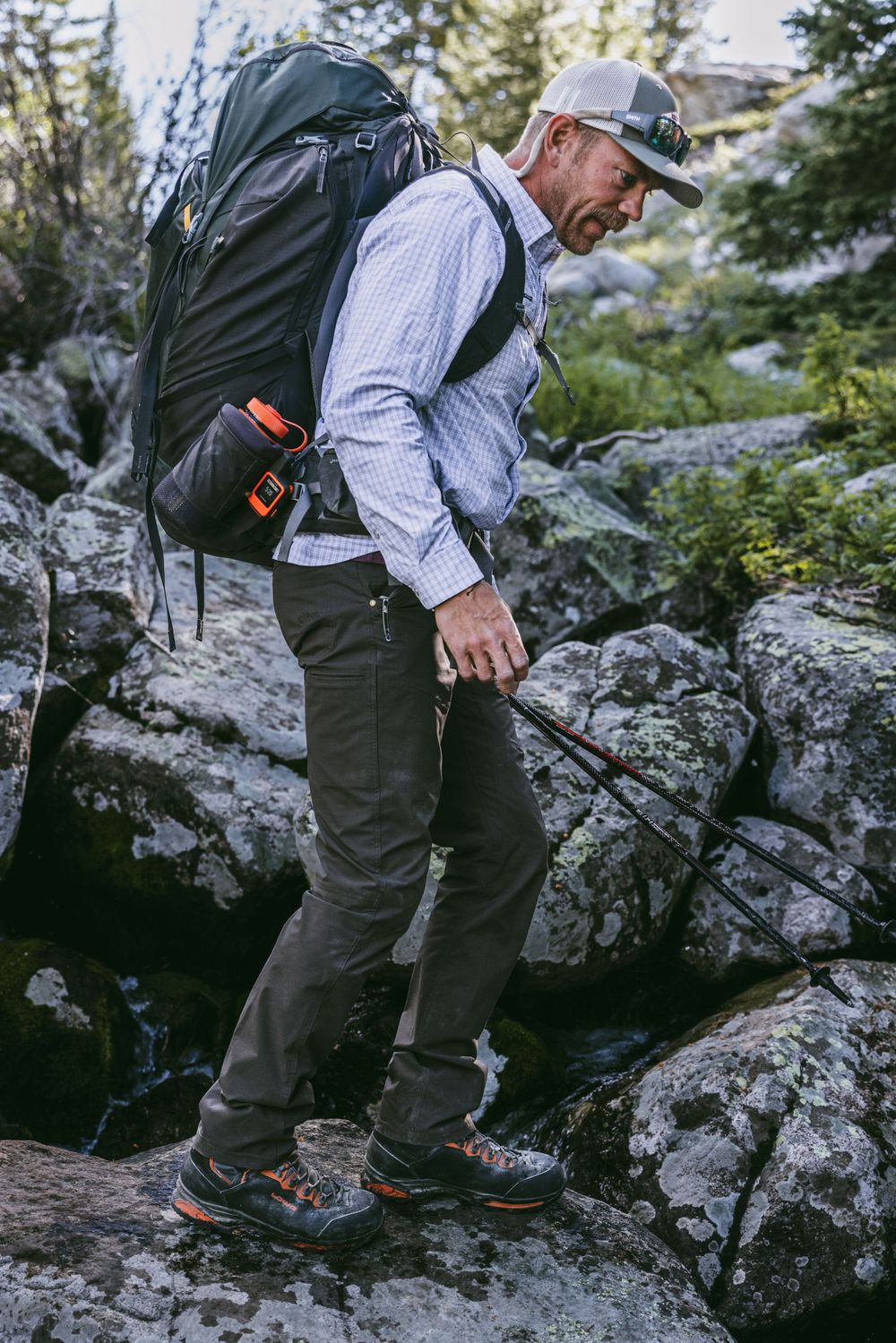
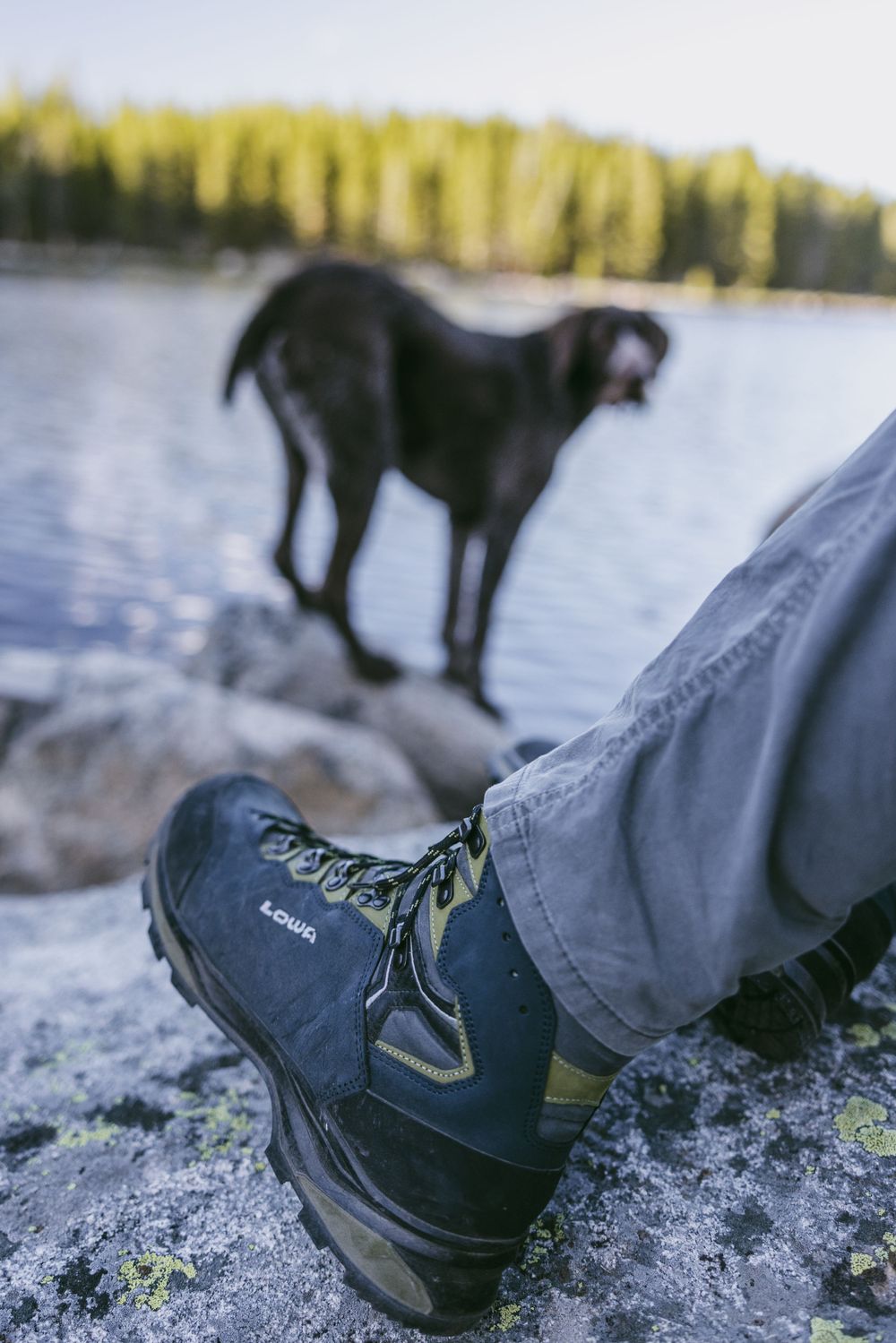
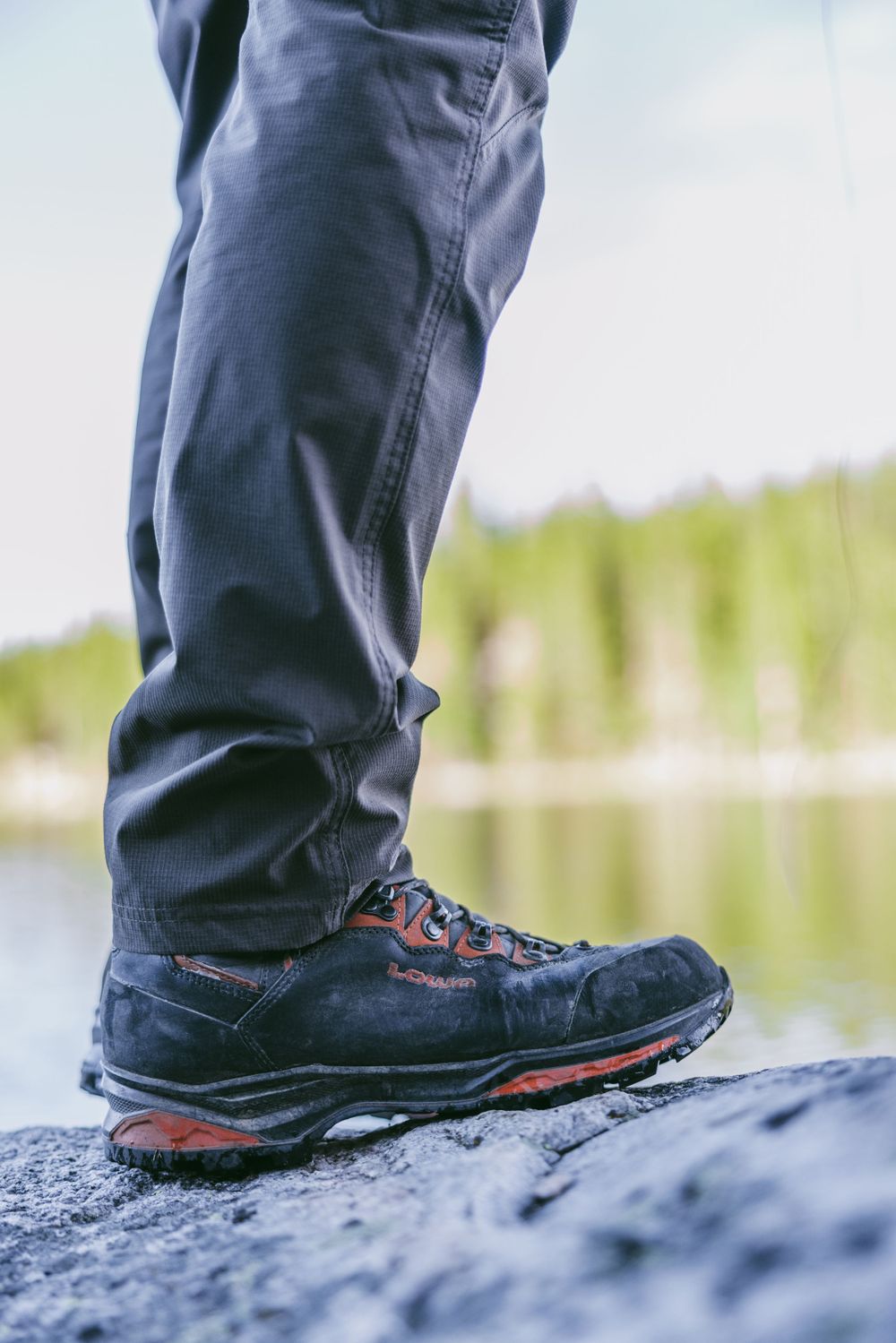
Over the last few months, we’ve been testing the Lowa Camino Evo GTX, and we think it’s a crowd-pleaser for upland hunters. This is one of Lowa’s best-selling boots, mostly to the backpacking market. It’s a mid-height leather boot that is available in three attractive nubuck colors and a full grain leather option. Wide sizes are also available in just brown.
Lowa is likely not the first brand to come to mind for many hunters, but they are comparable to brands like Crispi and Schnee that do a little more advertising in the hunting world.
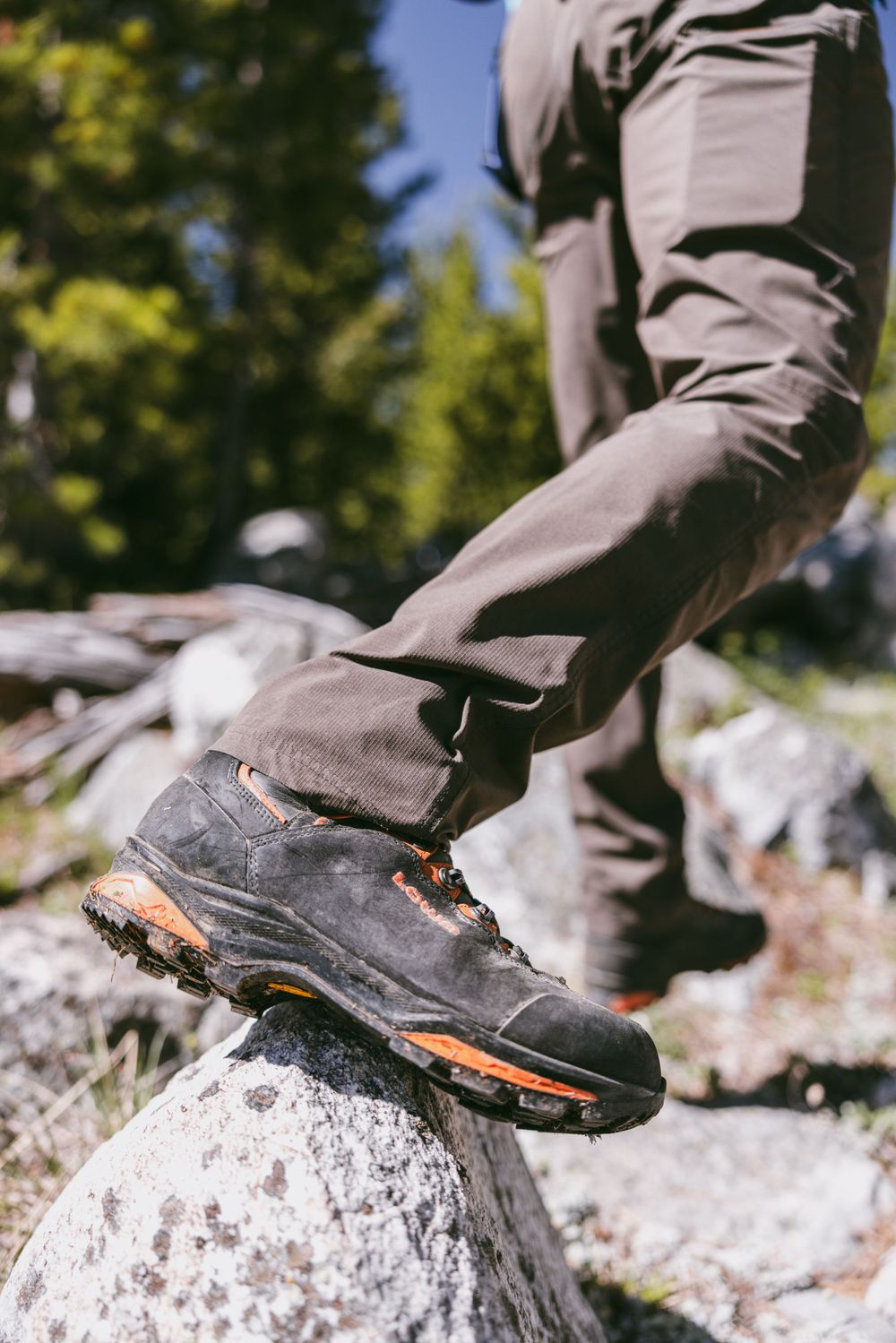
For a hiking boot, the Camino Evo GTX is medium in stiffness. We mostly felt the stiffness in the shank of the boot, which did relax slightly after a few months. The construction of this boot screams quality throughout, with great stitching and integration of leather and synthetic components. The liner is comfortable and smooth, with a nicely padded collar.
The Gore-tex and factory weatherproofing function well in conjunction with the tongue bellows, and kept our feet dry in splashy creek crossings and dewy morning grass. With any mid-height leather boot, it’s unreasonable to expect great performance in very wet conditions. If I did most of my hunting in boggy grouse woods or cattail sloughs, I’d definitely get something different.
The Vibram soles are just grippy enough for rough chukar and Mearns quail terrain, while not being obnoxious in bobwhite and prairie grouse covers. Time will tell how well the rubber holds up, but it seems quite durable. These boots have a rubber rand over the toe box and heel cup, but not across the flanks. While this no doubt saves a few grams, it makes the boots a little more vulnerable to cactus and basalt. Oregon chukar hunters and Arizona quail junkies might take issue with this, but here in the northern plains and intermountain, it’s a non-issue.
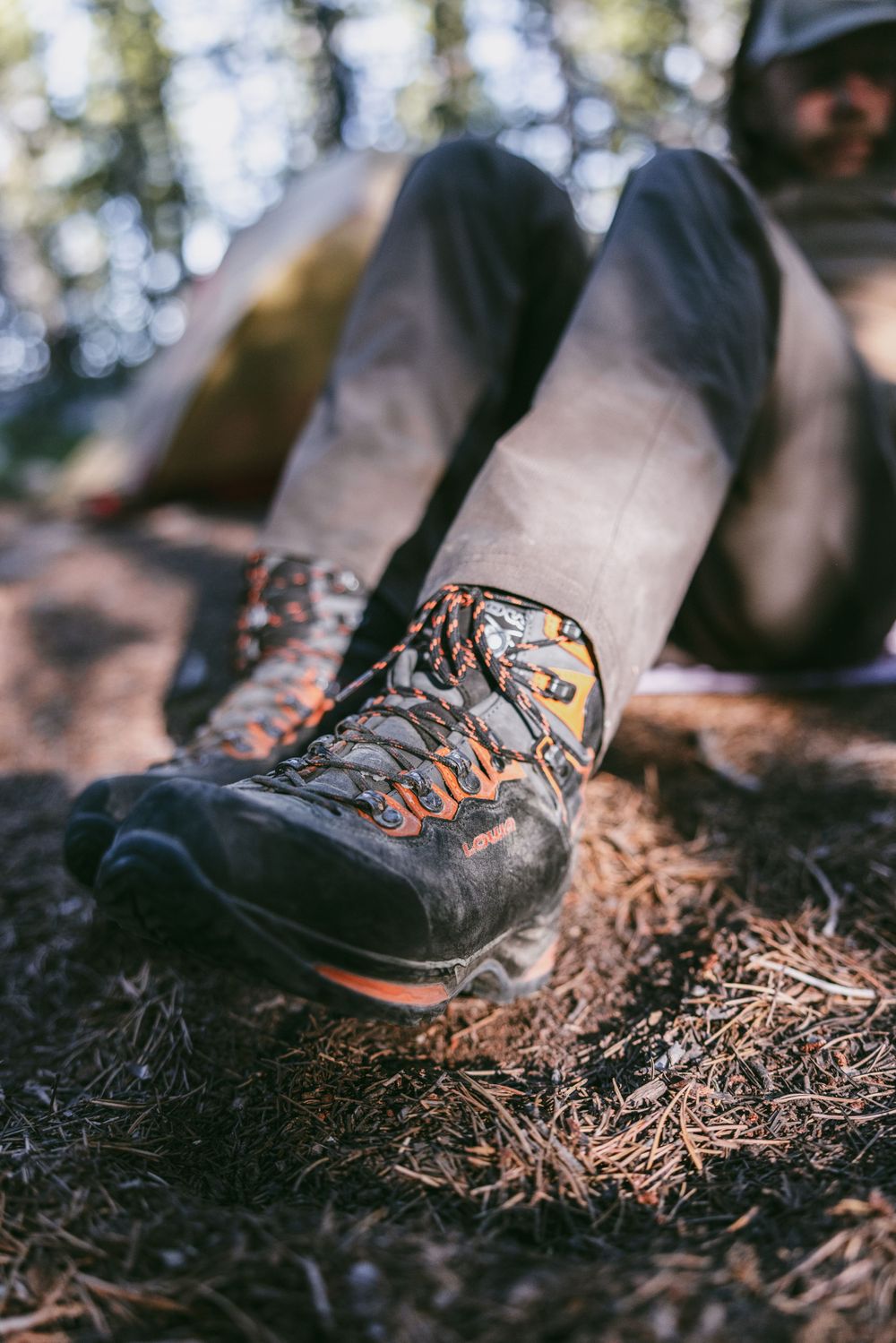
The stock laces are exceptionally supple, and the lacing system has several notable upgrades from the average hiking boot. First, there’s a lacing post set in the center of the tongue. This allows you to reverse your lacing direction at the top of the boot, effectively locking the tongue in place and preventing shifting. We didn’t find ourselves using this feature, but it’s a nice touch.
Second, rather than standard D-rings, the lower eyelets are fitted with ball bearings. These both equalize the pressure of the laces, and reduce wear on the laces.
The phrase that comes to mind with these boots is “middle of the road”. Not in quality, but in function. They aren't the lightest, or the toughest, or the most anything. Instead, they are a near-perfect compromise. One of us has a history of ankle issues and prefers higher, stiffer boots, while the other has been wearing ultralight, low-top boots for years. We think the Camino Evo GTX is a good balance between the two, covering our functional needs for most uses.
So what’s wrong with them? One of us has dainty ankles, and felt the heel pocket was very slightly loose, leading to a few hotspots during break-in. The main crease in the tongue is bisected by a fashionable slash of extra leather, but durability would certainly improve with uniform coverage. For what these boots are, we both think the collar would be better if it was slightly higher. That would help equalize the feeling of support between the uppers and the shank.
We’re picky though. One of our buddies looked them over, then immediately converted brands and bought a pair. Lowa retails these for 350 bucks, but they are currently on sale.
*The Grit was supplied with testing samples. We were not otherwise compensated by the manufacturer for this review.